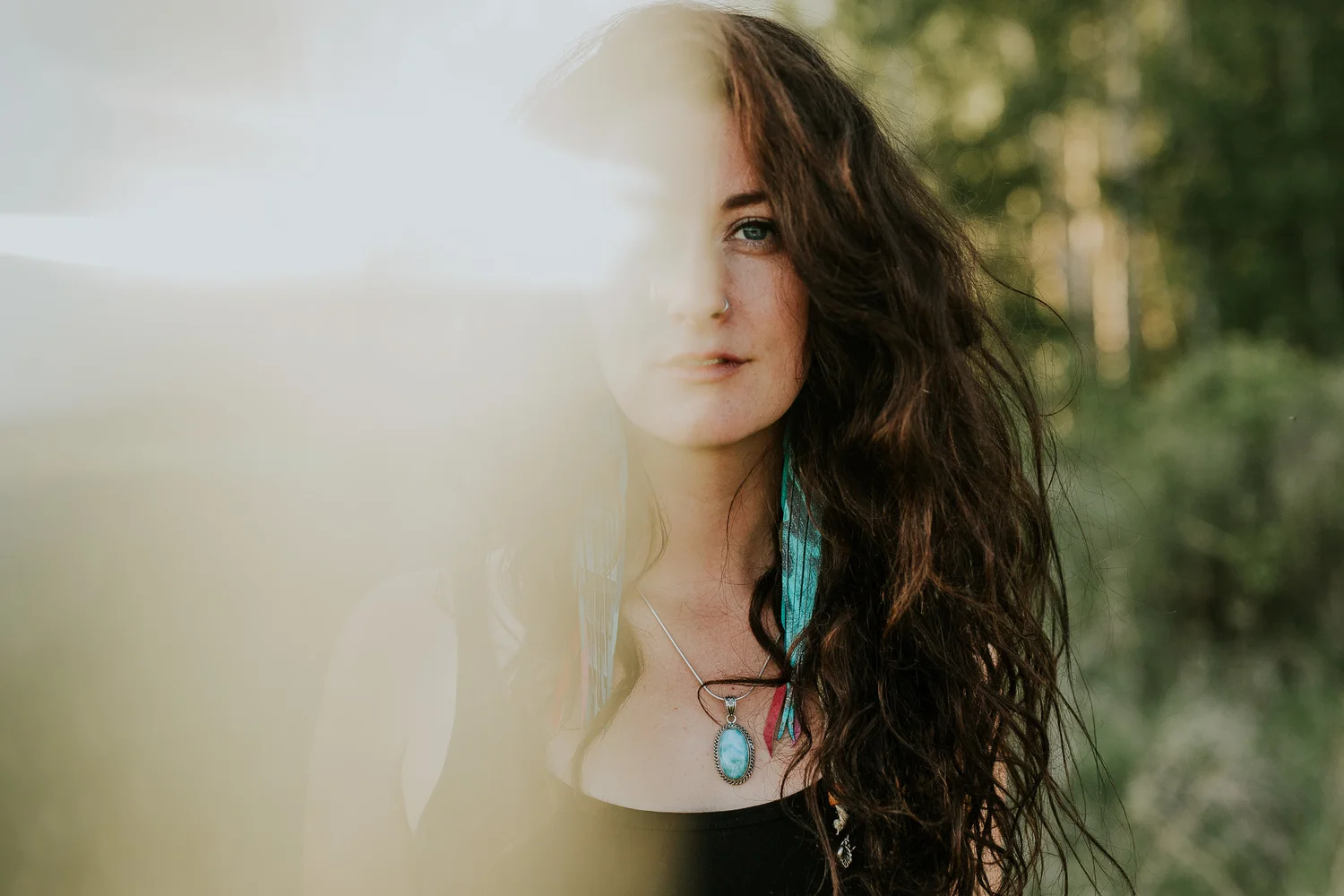
People ask me what kind of music I play, and "folk" never quite covers it. The word has stretched a long way. Under one small umbrella you'll find creaky old ballads, dusty Americana, hushed indie records made in somebody's bedroom, and singers filling proper theatres. It can feel like a mess. It isn't, really — it's a big family with a lot of cousins. So here's my plain-language map of the popular folk music genres, where they came from, and the folk music artists who keep dragging the whole thing forward.
What "Folk" Actually Covers Now
Once, folk meant the traditional songs of a place, carried by ear and nobody's to own. That thread never snapped. But somewhere in the last century the word widened to hold anyone writing in that same honest, acoustic spirit — story first, polish second. So the label now stretches from a fiddle tune older than any recording to a track that dropped on Spotify this morning.
And that width is exactly why the genre keeps breathing. It bends without snapping. Someone winds down after a long day with a warm album, a podcast, maybe a spin on a site like https://spinanzia-casino.com/, then goes and learns a hundred-year-old murder ballad the next weekend. Folk has never minded sharing your evening. It only asks for a corner of your attention, and it tends to reward the ones who give it.
The Big Folk Families Worth Knowing
You don't need to memorise a taxonomy to enjoy any of this. Still, a rough map helps you find more of what you already love. Most folk sorts loosely into a handful of families, each with its own accent and its own reasons for existing. Here are the ones you'll bump into most.
| Genre | The feel of it | A way in |
|---|---|---|
| Traditional folk | Old songs, no single author | Ballads, sea shanties, fiddle tunes |
| Americana / roots | Country, blues and folk braided together | Storytelling with a little grit |
| Celtic folk | Irish and Scottish traditions | Reels, jigs, big group sessions |
| Folk rock | Acoustic roots plugged in | Harmonies over a full band |
| Indie folk | Intimate, self-recorded, modern | Quiet vocals, unexpected textures |
None of these sit behind fences. Half the best records I own borrow from three families at once, and that blending is where fresh sounds keep coming from. Treat the table as a starting point, not a rulebook.
Indie Folk and the Bedroom Revival
If any corner has pulled younger ears back toward acoustic music, it's indie folk. The recipe is simple and a little sneaky. Take the plain-spoken heart of a folk song, then record it however you can — a laptop, one good mic, a room with the radiator ticking. What you lose in gloss you gain in closeness. It sounds like someone singing three feet away, because often that's more or less what happened.
This is also the wing that let the tradition wander. Contemporary folk artists in this space fold in electronic hums, jazz chords, whatever's lying around, and nobody calls the folk police. If you want a short list to start pulling on, these are the sounds people mean when they say indie folk music.
- Hushed, close-mic'd vocals that sit right against your ear
- Fingerpicked guitar or banjo instead of big strums
- Lo-fi textures — room noise, tape hiss, a creaking chair
- Odd little instruments dropped in where you least expect
- Lyrics that read like a diary page, not a slogan
- Harmonies stacked by one person over many takes
The old bones are still there under all that new skin. Strip the reverb away and you're left with a plain song someone needed to sing.
A folk song doesn't care whether it was cut in a barn or a bedroom. It only asks that you mean it. Sincerity has always been the real instrument.
That low bar to entry matters more than it sounds. When anyone with a phone and something true to say can make a record worth hearing, the whole genre stays young.
Contemporary Folk and Everyday Listening
Contemporary folk music is really just folk written now, about now — rent, love, screens, the strange business of being alive this decade. It keeps the acoustic backbone and the storytelling, then points them at the present instead of the past. That's why it slots so easily into an ordinary day. It suits a slow morning, a long drive, the wind-down hour after everyone's gone to bed.
People sometimes worry that streaming and algorithms would flatten music this quiet. Mostly it's done the opposite, handing small artists a doorway they never used to have. It helps to see how the older and newer strains line up side by side.
| What to notice | Traditional folk | Contemporary folk |
|---|---|---|
| Songwriter | Usually unknown | A named artist you can follow |
| Subject | Old work, love and loss | Life as it feels right now |
| How you hear it | Sessions, family, field recordings | Streaming, small venues, socials |
| Sound | Fully acoustic | Acoustic core, modern touches |
Neither column is more real than the other. They're the same instinct wearing different clothes.
The tools change every few years. The reason people write folk songs — to be understood by someone they'll never meet — hasn't shifted an inch.
So the health of the form isn't really about formats. It's about whether new writers keep turning up with something to say. On that count, contemporary folk is doing just fine.
Folk Music Artists and Ways Into the Sound
Genres are just labels until you attach a voice to them. The quickest route in is to pick one thread and follow it until it leads somewhere you didn't expect. If you're not sure where to stand, here are a few doorways I'd point a curious friend toward.
- Start with the old guard — Woody Guthrie, Joan Baez, Nina Simone's folkier corners
- Chase the folk-rock crossover through Bob Dylan and Simon & Garfunkel
- Sink into indie folk with quieter, self-recorded records
- Follow one contemporary songwriter's whole catalogue, front to back
- Find a local session or open mic and just listen for a night
- Ask a musician friend for the album that made them start playing
You won't love all of it, and that's the point. Folk is broad enough that finding your own patch is half the pleasure. Pick a thread, pull it, and let one song hand you the next.
Folk isn't one sound, and it never really was. It's a whole clan of styles held together by a shared instinct — tell the truth, keep it human, pass it on. Whether you land on a weathered ballad or a brand-new indie record, you're joining a conversation that's been running for generations. Find the corner that feels like yours, and don't be shy about singing back.